Store-bought cleaning sprays get the job done, but they usually come loaded with synthetic fragrances and harsh chemicals that linger in the air long after you’ve wiped down a counter. Essential oils offer a different route — a way to clean effectively while filling your home with a natural scent instead of a chemical one. Here’s how to actually put them to work, not just sprinkle a few drops in and hope for the best.
Why Essential Oils Work as Cleaning Agents
Essential oils aren’t just about fragrance. Many of them are pressed or distilled from plants that naturally produce compounds to defend themselves against bacteria, mold, and insects — and those same compounds carry over when the oil is extracted. That’s why certain oils show real antibacterial and antifungal activity, not just a pleasant smell.
They’re not a one-to-one replacement for every cleaning product in your cupboard (they won’t replace bleach for serious sanitizing needs, for example), but for everyday surface cleaning, deodorizing, and light disinfecting, they’re genuinely effective — and far gentler on your household’s air quality.
The Oils Worth Keeping on Hand
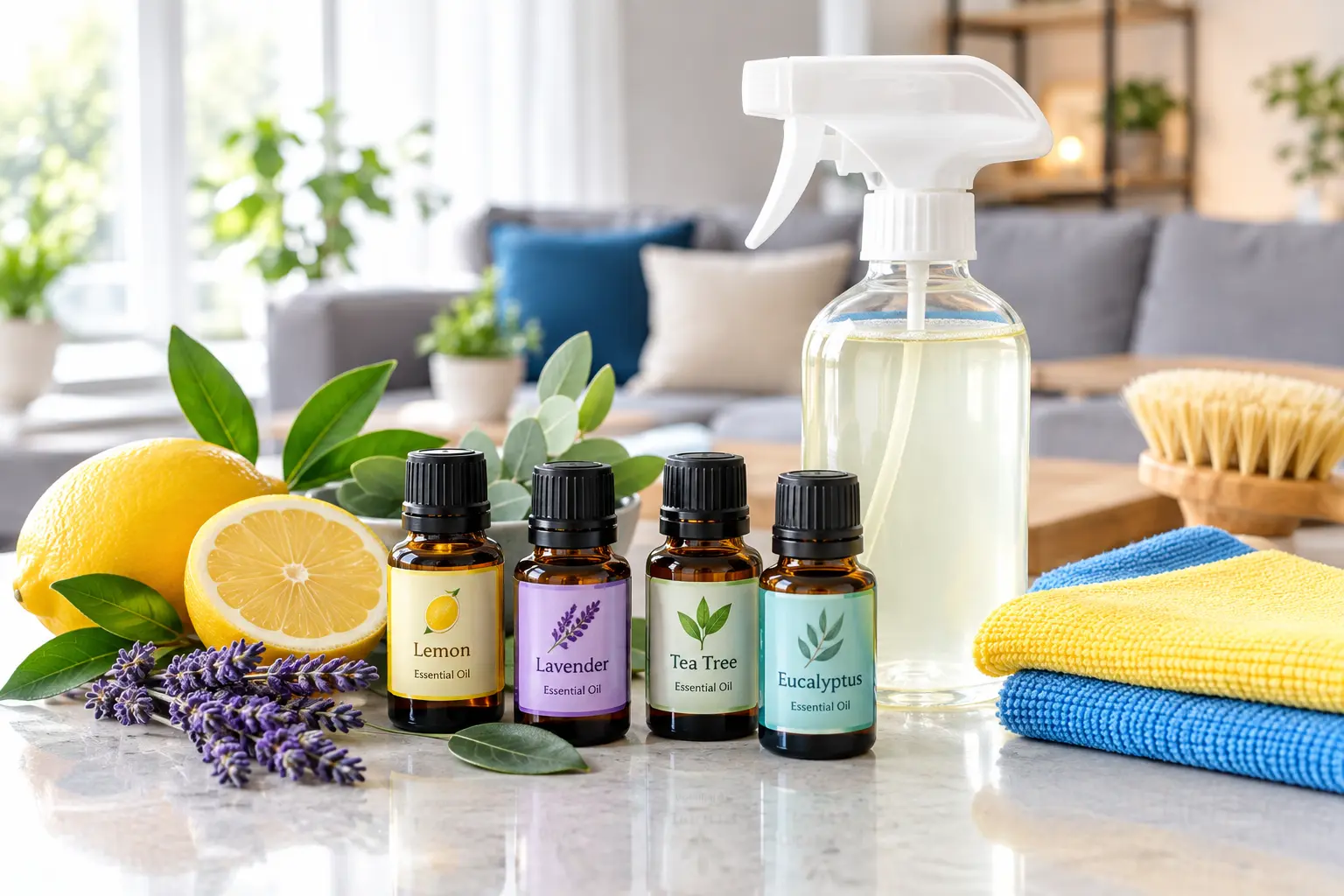
You don’t need a shelf full of oils to get started. A handful of versatile ones cover almost everything:
- Tea tree oil – The workhorse for bathrooms and damp areas; effective against mold, mildew, and household bacteria.
- Lemon or sweet orange oil – A natural degreaser, great for kitchens, cutting boards, and glass surfaces.
- Lavender oil – Mild antibacterial properties plus a calming scent, ideal for bedrooms and linens.
- Eucalyptus oil – Cuts through grime and works well in floor cleaners; also helps with musty odors.
- Peppermint oil – A natural deterrent for ants and other insects, useful around entry points and skirting boards.
Essential Oils Are Never Used Alone
This is the part most people get wrong: essential oils are concentrated plant extracts, not standalone cleaners. They need to be diluted into a carrier — water, white vinegar, or castile soap are the usual bases. Undiluted oil applied directly to a surface (or skin) can cause irritation, and it won’t clean any better than a properly diluted mix.
A safe general ratio is 10–15 drops of essential oil per 500ml (about 2 cups) of liquid base.
Simple Recipes You Can Make This Week
All-Purpose Surface Spray
Mix equal parts water and white vinegar in a spray bottle, then add 10 drops of lemon oil and 5 drops of tea tree oil. Shake before each use. Good for counters, tables, and most hard surfaces — avoid natural stone, since vinegar can etch it over time.
Bathroom Disinfectant Spray
Combine water with a small amount of castile soap, then add 10 drops of tea tree oil and 5 drops of lavender oil. This combination targets damp-area mold and mildew while leaving a clean scent behind.
Floor Cleaner
Add 8–10 drops of eucalyptus oil to a bucket of warm water along with your usual floor cleaner or a splash of castile soap. Works especially well on tile, which is common throughout homes in the UAE.
Fabric and Linen Refresher
Mix water with 8 drops of lavender oil in a small spray bottle. Lightly mist curtains, upholstery, or bedding for a natural, non-overpowering scent between washes.
Natural Insect Deterrent
Combine water with 10 drops of peppermint oil and spray along windowsills, doorframes, and other entry points — a useful, non-toxic line of defense during warmer months.
Safety Tips Worth Following
- Always dilute. Undiluted oils can irritate skin and, in some cases, damage certain surfaces or fabrics.
- Patch-test new surfaces. Try any new mixture on a small, hidden area first — especially with wood, stone, or delicate fabric.
- Keep pets in mind. Some essential oils, including tea tree and citrus oils, can be harmful to cats in particular. Research pet-safe alternatives if you share your home with animals.
- Store away from direct sunlight and heat, which can degrade the oils over time.
- Don’t assume “natural” means “unlimited.” Oils are still concentrated compounds — more drops doesn’t mean more cleaning power, just more potential for irritation.
Where Essential Oils Fit Into a Bigger Cleaning Routine
Essential oil blends are excellent for daily maintenance, freshening, and light disinfecting — but they’re not a substitute for a thorough deep clean. Grout, upholstery, air vents, and hard-to-reach corners still need proper attention with the right tools and techniques to stay genuinely clean, not just pleasant-smelling.
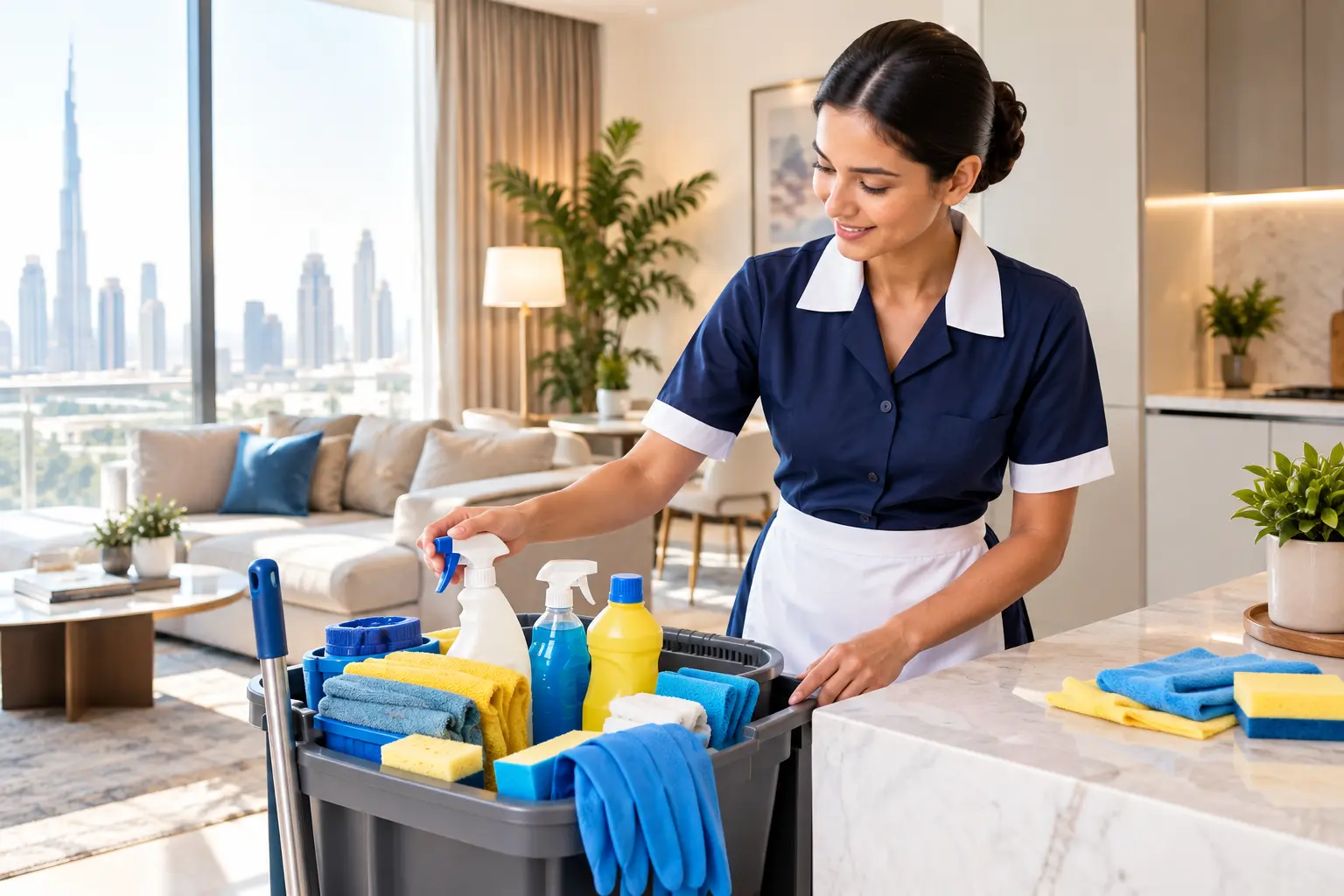
That’s where a professional touch makes the difference. At Alo Maids, our cleaning teams combine deep, detailed cleaning expertise with an understanding of what actually keeps a home healthy — not just surface-clean. Whether it’s a full deep clean or regular maintenance, we make sure every corner gets the attention a quick spray-and-wipe routine can’t reach.
Ready for a home that’s properly clean, not just freshly scented? Book your appointment with Alo Maids today.